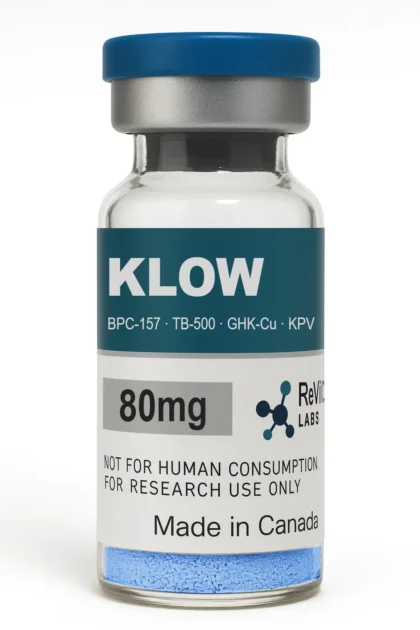

Peptides have been in the regulatory news throughout 2026, mostly because of changes to how the US Food and Drug Administration (FDA) treats peptides used by compounding pharmacies. This article summarizes what happened, in order, and what it does and does not mean.
Background: the FDA’s compounding lists
In the United States, compounding pharmacies can only use certain bulk drug substances. While the FDA reviews substances for its official list (the “503A bulks list”), it keeps interim categories. Category 1 covers substances that may be used while under review. Category 2 covers substances the FDA has flagged as raising significant safety concerns, which compounders should not use. In 2023, a number of popular peptides, including BPC-157, were placed in Category 2.
2026 timeline
- February 2026: the US Health and Human Services Secretary announced that most of the peptides on the Category 2 list would be reconsidered.
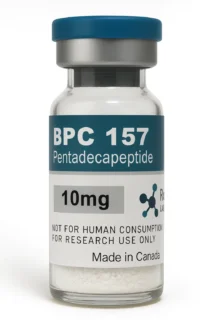
- April 2026: the FDA removed several peptides, including BPC-157 and TB-500, from Category 2 and scheduled them for review by its Pharmacy Compounding Advisory Committee (PCAC). Removal from Category 2 did not place them on the approved list.
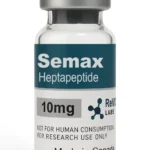
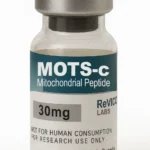
- 23–24 July 2026: the PCAC reviewed seven peptides. It voted in favour of adding six to the 503A bulks list (BPC-157, KPV, TB-500, MOTS-c, Epitalon and Semax) and against one (emideltide, also known as DSIP). Several votes were close; BPC-157, for example, passed 8 to 6 with one abstention.
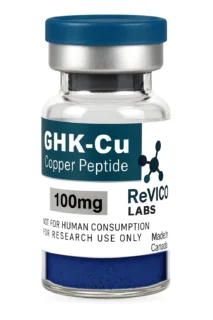
- Next: the FDA has said a second PCAC meeting, before the end of February 2027, will review further peptides, including GHK-Cu.
What the vote does not mean
- It is not an approval. None of these peptides has become an FDA-approved drug. The committee’s vote is advisory, and adding a substance to the bulks list requires further FDA action.
- FDA scientists disagreed. Agency staff recommended against the six peptides, pointing to limited high-quality data, reliance on animal studies, and, for some compounds such as BPC-157 and MOTS-c, concerns about impurities and how well the substance is characterized.
- It applies to US compounding pharmacies only. It does not change the status of research-grade materials, and it has no effect on Canadian law.
The situation in Canada
In Canada, peptides intended for human use are regulated as drugs under the Food and Drugs Act and need Health Canada authorization before sale. Research-grade peptides, including those supplied by ReVICO, are not authorized drugs and are supplied for laboratory research only.
Why this matters for researchers: quality
The FDA’s concerns about impurities and characterization are a useful reminder for any laboratory. Research is only as good as the material used. Independent testing of purity, content and identity is the best protection against impure or mislabelled compounds. Our guide How to Read a Peptide Lab Report explains what to look for, and our Janoshik reports are on the Lab Testing page.
Compounds mentioned
BPC-157 · TB-500 · KPV · MOTS-c · Epitalon · Semax · GHK-Cu
Sources
- FDA: July 23–24, 2026 Pharmacy Compounding Advisory Committee meeting
- ABC News: FDA advisers narrowly vote to add 6 peptides to a drug compounding list
- McDermott Will & Schulte: PCAC backs majority of peptides
This article summarizes public regulatory news as of September 2026 and is not legal advice.
All ReVICO Labs products are supplied for laboratory research use only. They are not for human or veterinary consumption and are not approved by Health Canada for therapeutic or diagnostic use.