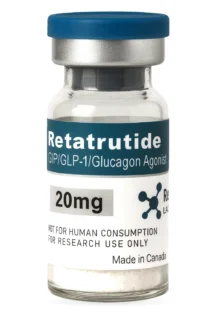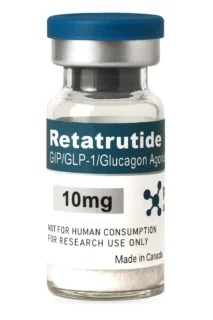
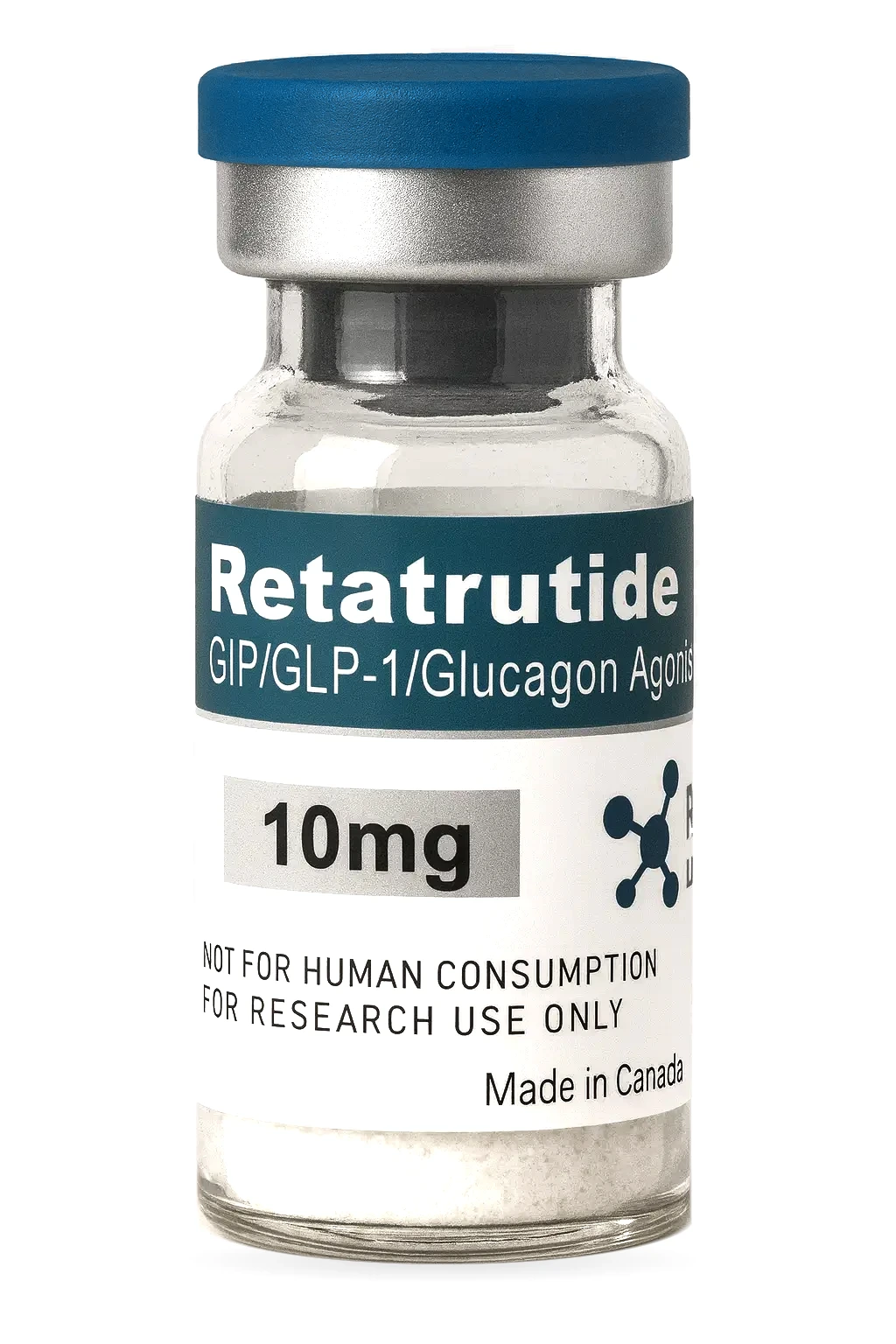
One of the most closely watched regulatory cases of 2026 comes down to counting. Eli Lilly and the US Food and Drug Administration (FDA) disagree over whether retatrutide, Lilly’s investigational triple agonist, should be regulated as a conventional drug or as a biologic. The answer depends largely on whether the molecule has more than 40 amino acids, and it could decide how many years pass before other manufacturers can make copies.
Why the classification matters
In the United States, most medicines follow one of two paths:
- Drugs are approved through a New Drug Application (NDA). A new chemical entity receives 5 years of data exclusivity, after which generic versions can be filed through a simpler pathway.
- Biologics are licensed through a Biologics License Application (BLA). A new biologic receives 12 years of exclusivity before a “biosimilar” can be approved, and biosimilars require more extensive development than generics.
Biologics are also not eligible for the standard exemptions that allow US pharmacies to compound drugs. The classification therefore affects not only exclusivity but also how, and when, other versions could legally exist.
The 40 amino acid rule
Since 2020, the FDA has defined a “protein”, and therefore a biologic, as an alpha amino acid polymer with a specific, defined sequence that is greater than 40 amino acids in size. Peptides of 40 amino acids or fewer are regulated as drugs. This is why peptides such as semaglutide and tirzepatide were approved as drugs.
Retatrutide sits right on the line. Its backbone contains 39 amino acids, and a side chain attached to one of them carries additional components, including a gamma-glutamic acid and a linker known as ADO (8-amino-3,6-dioxaoctanoic acid).
- Lilly’s position: counted together, the molecule contains 41 amino acids, which is “greater than 40”.
- The FDA’s position: the definition counts alpha amino acids. ADO is not an alpha amino acid, so retatrutide has no more than 40 and is not a protein.
Lilly has also argued that, even if retatrutide is not a protein, it is “analogous to a protein”, which is another route into the biologic category.
Timeline
| Date | Event |
|---|---|
| 2024 | The FDA determines that retatrutide is not a biological product and should follow the drug (NDA) pathway. |
| September 2024 | Lilly sues the FDA in the US District Court for the Southern District of Indiana. |
| 30 September 2025 | The court upholds the FDA’s reading of the “protein” definition, but sets aside its finding on whether retatrutide is “analogous to a protein” and sends that question back to the agency. |
| February 2026 | Lilly appeals to the US Court of Appeals for the Seventh Circuit. |
| 24 September 2026 | The Seventh Circuit hears oral argument. A decision is pending. |
| Q1 2027 (planned) | Lilly has said it intends to submit retatrutide for approval as a biologic. |
Lilly has also argued on appeal that a procedural deadline for the FDA’s decision was missed. The FDA disputes this and has asked the court to let the agency’s reconsideration run its course.
What it means for the wider field
- Timing of other versions. The difference between 5 and 12 years of exclusivity is one of the largest financial questions in the obesity-research field, and determines how long before other manufacturers could bring competing versions to market.
- Engineered peptides. Modern peptides increasingly include fatty-acid chains, linkers and non-standard amino acids. How the FDA counts these parts will shape how future molecules near the 40 amino acid line are classified.
- Compounding. A biologic classification would place retatrutide outside the US compounding exemptions entirely.
- Regulatory status is unchanged. Whatever the outcome, retatrutide remains investigational and is not approved by the FDA, Health Canada or any other regulator.
Related reading
- Retatrutide Research Update 2026: Where the Phase 3 Trials Stand
- What Is Retatrutide? Mechanism and Research Overview
- Semaglutide vs Tirzepatide vs Retatrutide: Receptor Targets Compared
Sources
- BioSpace: Lilly, FDA retatrutide biologic dispute comes to a head
- Food and Drug Law Institute: Eli Lilly & Co. v. Kennedy
- District court order, S.D. Ind. No. 1:24-cv-01503 (30 September 2025)
- Reason: Can a new weight loss treatment escape the legal and regulatory thicket?
This article summarizes public legal and regulatory information as of September 2026 and is not legal advice.
All ReVICO Labs products are supplied for laboratory research use only. They are not for human or veterinary consumption and are not approved by Health Canada for therapeutic or diagnostic use.