Mitochondria are central to cellular energy production, and two peptides have become especially prominent in mitochondrial research: MOTS-c and SS-31. Both are associated with mitochondria, but they are very different molecules, with different origins and different research uses.
MOTS-c: a peptide encoded by mitochondrial DNA
MOTS-c (mitochondrial open reading frame of the 12S rRNA type-c) is a 16-amino-acid peptide first described in 2015 by researchers at the University of Southern California. What makes it unusual is its origin: it is encoded within the mitochondrial genome, in the gene for the 12S ribosomal RNA, rather than in the nuclear genome like most peptides.
Research has focused on MOTS-c as a signalling molecule between mitochondria and the rest of the cell:
- Metabolic signalling. Early studies linked MOTS-c to the folate cycle and to activation of AMPK, a key cellular energy sensor, in cell and mouse models.
- Nuclear signalling. Later work reported that under metabolic stress, MOTS-c can move into the cell nucleus and influence gene expression, which is an example of mitochondria communicating directly with the nucleus.
- Skeletal muscle. Muscle has been a major focus of MOTS-c research, including studies of how its levels change in response to physical stress in animal models.
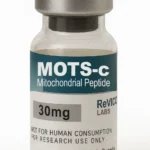
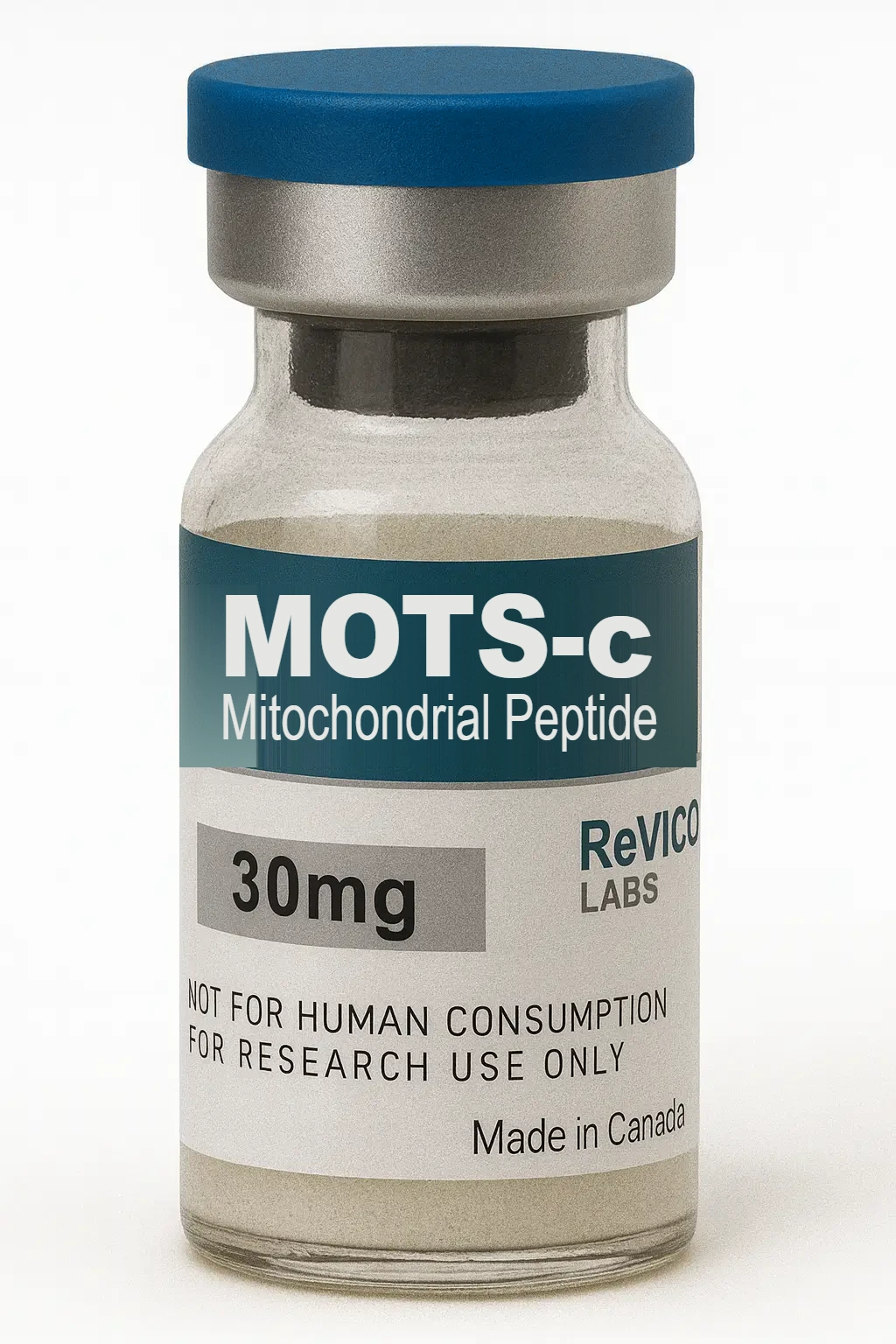
Research compound: MOTS-c (30mg)
SS-31: a peptide that targets the inner mitochondrial membrane
SS-31, also known as elamipretide, belongs to the Szeto-Schiller family of peptides, named after the researchers Hazel Szeto and Peter Schiller. It is a synthetic tetrapeptide (D-Arg-Dmt-Lys-Phe-NH2). Its alternating positive charges and aromatic residues allow it to cross cell membranes and concentrate in the inner mitochondrial membrane.
There, SS-31 binds to cardiolipin, a phospholipid that is found almost only in the inner mitochondrial membrane and that helps organize the proteins of the electron transport chain. Research on SS-31 has examined:
- Cardiolipin binding and the structure of the inner membrane.
- Electron transport chain efficiency and the production of reactive oxygen species.
- Models of mitochondrial dysfunction in muscle, heart, kidney and other tissues.
Research compound: SS-31 (10mg)
How they compare
| MOTS-c | SS-31 | |
|---|---|---|
| Origin | Naturally encoded in mitochondrial DNA | Synthetic, designed |
| Length | 16 amino acids | 4 amino acids |
| Main research focus | Signalling between mitochondria and the cell | Inner membrane and cardiolipin |
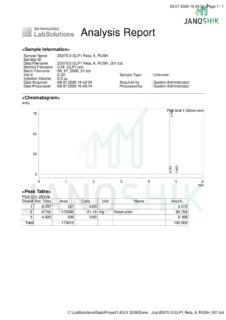
Related reading: How to Store Lyophilized Peptides. Independent Janoshik reports are on each product page and our Lab Testing page.
All ReVICO Labs products are supplied for laboratory research use only. They are not for human or veterinary consumption and are not approved by Health Canada for therapeutic or diagnostic use.