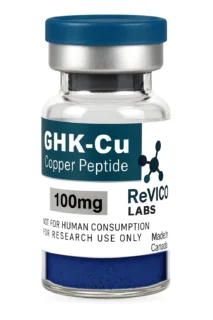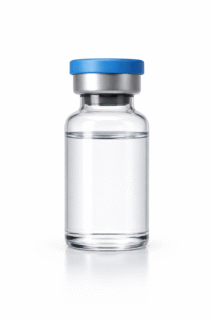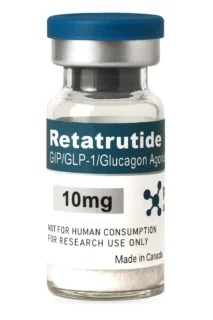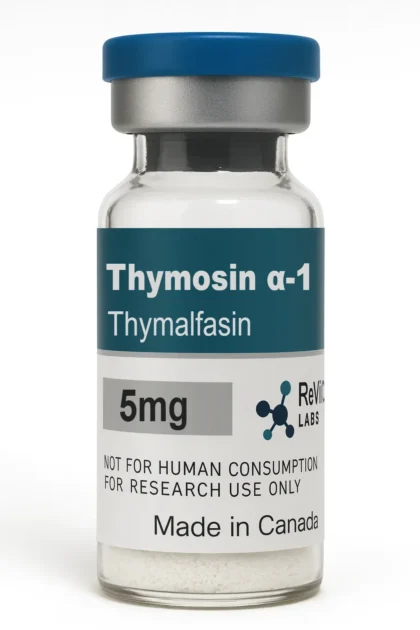
Peptides are delivered as lyophilized (freeze-dried) powder because this is their most stable form. Good storage keeps them that way. Poor storage can cause slow degradation that will not show up until results stop making sense. These are the general principles laboratories follow.
Why lyophilized peptides are stable
Freeze-drying removes almost all of the water from a peptide. Without water, the chemical reactions that break peptides down, such as hydrolysis, happen very slowly. The main threats to a lyophilized peptide are therefore moisture, heat, light and oxygen.
Temperature
- Long-term storage: −20 °C or colder in a sealed vial is standard practice for storage over months.
- Short-term storage: 2–8 °C (a laboratory refrigerator) is generally suitable for weeks.
- Room temperature: most lyophilized peptides tolerate a few days at room temperature, for example during shipping, without significant degradation. Do not store them there long term.
Moisture
Lyophilized powder attracts water from the air. Keep vials tightly sealed, and let a cold vial reach room temperature before opening it, so that condensation does not form on the powder. A sealed container with a desiccant adds protection in humid environments.
Light and oxygen
Some amino acids, including tryptophan, methionine and cysteine, are sensitive to light and oxidation. Store vials in their box or another dark container, and keep them sealed when not in use.
Avoid repeated freeze-thaw cycles
Each time a vial is frozen and thawed, it is exposed to temperature changes and possible condensation. Laboratories that need small amounts over time often divide material into single-use portions (aliquots), so the main stock is only handled once.
After reconstitution
Once a peptide is dissolved, it is much less stable than the dry powder. Solutions are normally kept at 2–8 °C and used within the timeframe set by the laboratory’s protocol. The choice of solvent depends on the peptide and the experiment, so refer to the published literature and your laboratory’s standard procedures. Bacteriostatic water (sterile water with 0.9% benzyl alcohol) is one commonly used laboratory diluent.
Labelling and records
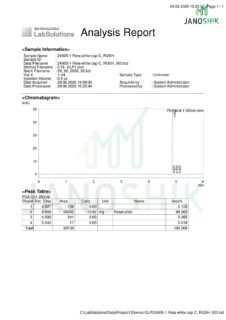
Record the compound, the date received, the batch reference and the storage location for every vial. Good records make it easy to trace a problem back to a specific batch, and to match it against the supplier’s lab report. See How to Read a Peptide Lab Report.
Quick reference
| Condition | Good practice |
|---|---|
| Long term (dry) | −20 °C or colder, sealed, dark |
| Short term (dry) | 2–8 °C, sealed, dark |
| Before opening a cold vial | Let it reach room temperature |
| In solution | 2–8 °C, per laboratory protocol |
| Repeated use | Aliquot to avoid freeze-thaw cycles |
Browse our research peptides and lab supplies.
All ReVICO Labs products are supplied for laboratory research use only. They are not for human or veterinary consumption and are not approved by Health Canada for therapeutic or diagnostic use.