Semaglutide, tirzepatide and retatrutide are three of the most widely studied peptides in metabolic research. All three are long-acting analogues built around incretin hormone signalling, but they differ in a simple and important way: the number of receptors each one activates. This article compares them from a research point of view.
The receptors involved
- GLP-1 receptor. Activated by glucagon-like peptide-1, an incretin hormone released from the gut. It is involved in glucose-dependent insulin secretion and appetite signalling in the brain.
- GIP receptor. Activated by glucose-dependent insulinotropic polypeptide, the other main incretin hormone, with receptors in the pancreas, fat tissue and brain.
- Glucagon receptor. Activated by glucagon, mainly in the liver, where it regulates glucose output and fat metabolism, with effects on energy expenditure studied in animal and clinical models.
Semaglutide: a single (GLP-1) agonist
Semaglutide is a GLP-1 receptor agonist whose sequence is closely based on native human GLP-1. Two modifications give it a long half-life: an amino-acid substitution that protects it from breakdown by the enzyme DPP-4, and a fatty-acid side chain that binds to albumin in the blood. It is the reference compound for selective GLP-1 receptor research.
Research compound: Semaglutide (5mg)
Tirzepatide: a dual (GIP and GLP-1) agonist
Tirzepatide is a single 39-amino-acid peptide that activates both the GIP and GLP-1 receptors. Its sequence is based on GIP, and like semaglutide it carries a fatty-acid chain for albumin binding. Pharmacology studies describe it as “imbalanced”, with stronger activity at the GIP receptor than at the GLP-1 receptor. Researchers use it to study how adding GIP signalling changes the response compared with GLP-1 alone.
Research compounds: Tirzepatide (10mg) and Tirzepatide (20mg)
Retatrutide: a triple (GIP, GLP-1 and glucagon) agonist
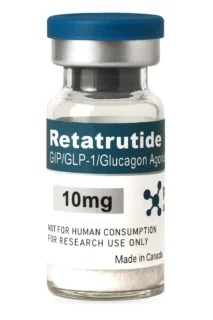
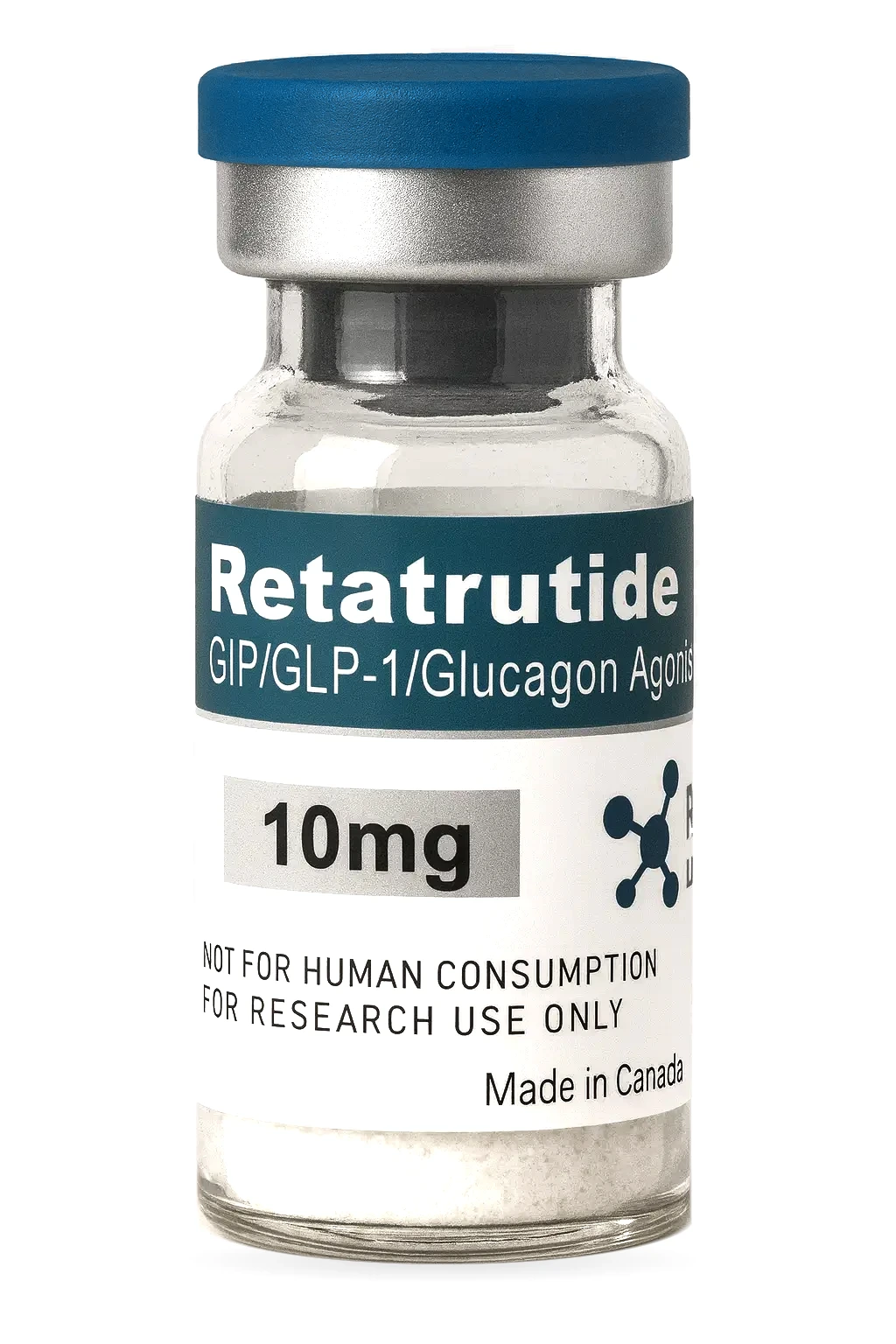
Retatrutide (LY3437943) adds a third target: the glucagon receptor. It is an investigational compound developed by Eli Lilly. Phase 2 results were published in 2023, and it is being evaluated in a Phase 3 programme. Because it combines incretin signalling with glucagon receptor activity, it is used in research on how the three pathways interact in hepatic and whole-body metabolism.
Research compounds: Retatrutide (10mg) and Retatrutide (20mg). For more detail, see What Is Retatrutide?
At a glance
| Compound | Receptors activated | Class |
|---|---|---|
| Semaglutide | GLP-1 | Single agonist |
| Tirzepatide | GIP + GLP-1 | Dual agonist |
| Retatrutide | GIP + GLP-1 + glucagon | Triple agonist |
Why compare them?
Because the three compounds share a similar design but differ in receptor coverage, they form a natural series for research. Comparing single, dual and triple agonists helps researchers separate the contribution of each receptor pathway in metabolic models.
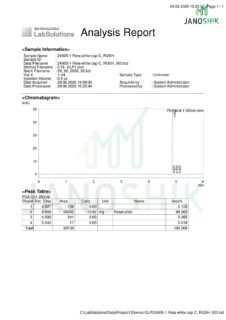
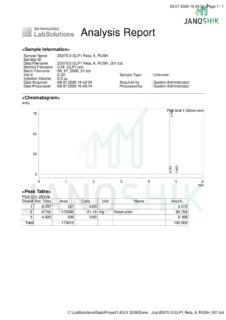
Independent Janoshik reports for each compound are available on the product pages and on our Lab Testing page.
All ReVICO Labs products are supplied for laboratory research use only. They are not for human or veterinary consumption and are not approved by Health Canada for therapeutic or diagnostic use.