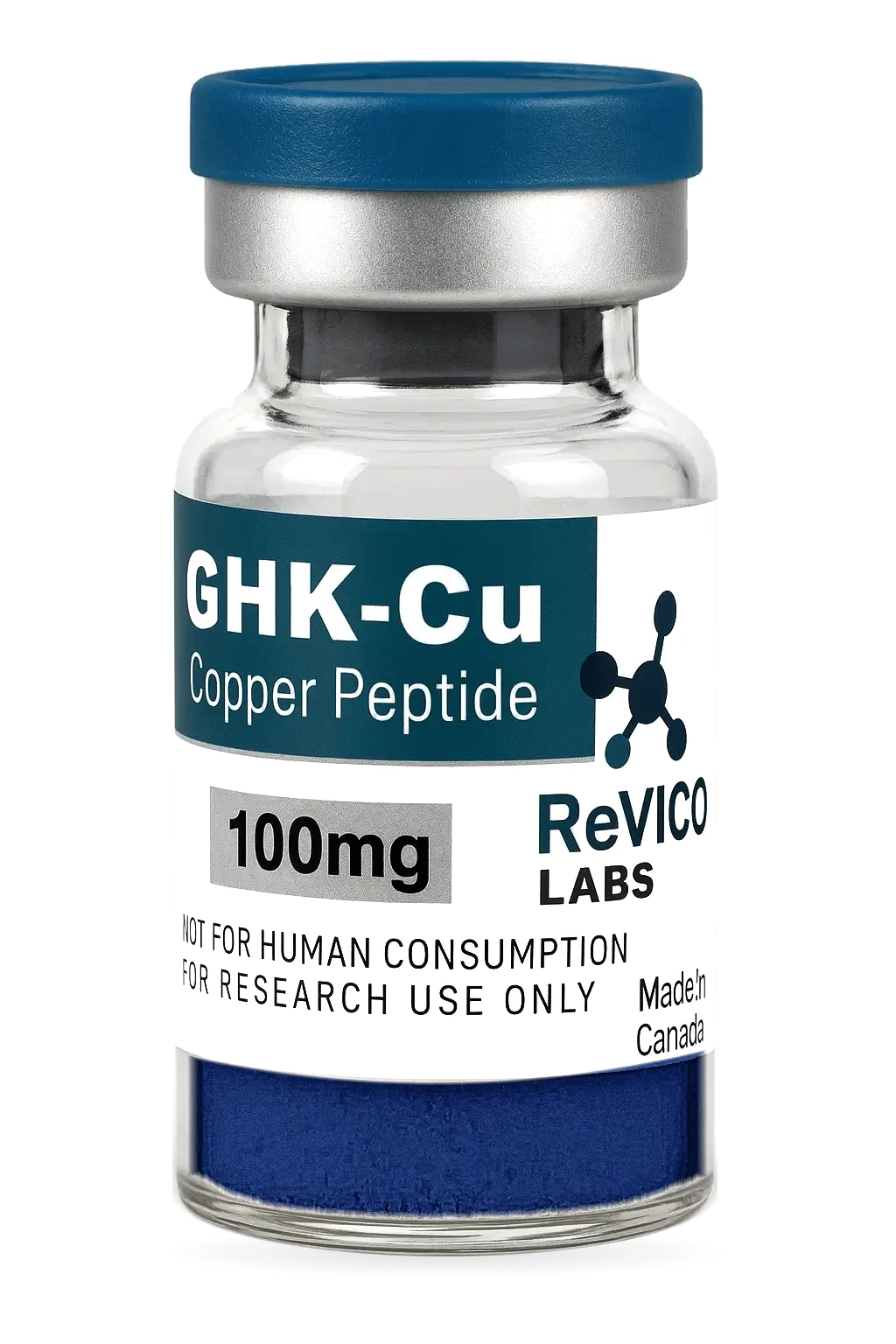
GHK-Cu is one of the most studied small peptides in skin and connective-tissue research. It is a complex of copper with the tripeptide GHK (glycyl-L-histidyl-L-lysine). This overview covers what it is, where it came from and how researchers use it.
What is GHK-Cu?
GHK is a naturally occurring tripeptide made of three amino acids: glycine, histidine and lysine. It binds copper(II) ions very strongly, and the resulting complex is called GHK-Cu. The peptide was first isolated from human plasma by Dr. Loren Pickart in 1973, during research on factors in blood that affected liver cells in culture. Later studies reported that plasma levels of GHK are lower in older individuals than in younger ones, which is one reason it is studied in cellular ageing research.
Why is GHK-Cu blue?
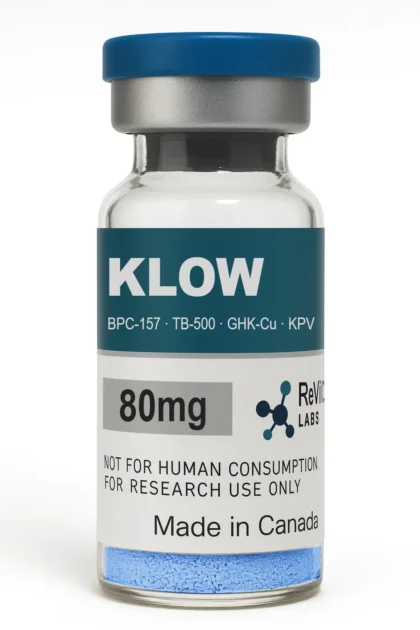
The copper complex gives GHK-Cu a distinctive blue to violet colour, both as a lyophilized powder and in solution. The colour comes from the copper ion. Higher concentrations of the complex look darker. This is why our GHK-Cu (100mg) vial is a deep blue, while blends containing a smaller amount of GHK-Cu look lighter.
Main areas of research
- Extracellular matrix and connective tissue. Cell-culture studies have examined the effect of GHK-Cu on collagen, elastin and glycosaminoglycan synthesis by fibroblasts, and on enzymes that remodel the extracellular matrix.
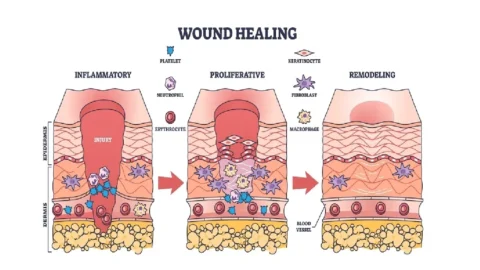
- Tissue-repair models. GHK-Cu has been studied in animal models of skin and tissue repair, often alongside other regenerative peptides such as BPC-157 and TB-500.
- Gene expression. Analyses using gene-expression databases have reported that GHK is associated with changes in the expression of a large number of human genes, which has made it a subject of interest in cellular ageing research.
- Copper transport. Because it binds copper so tightly, GHK is also studied as a carrier that can deliver copper to cells in a controlled way.
GHK-Cu in research blends
GHK-Cu is also supplied in combination with other peptides for research on related pathways. ReVICO offers it in the Glow+ blend (BPC-157, TB-500 and GHK-Cu) and in the KLOW blend, which also includes KPV.
Storage
Like most peptides, lyophilized GHK-Cu should be kept sealed, cold, dry and away from light. See our guide How to Store Lyophilized Peptides in the Lab for details.
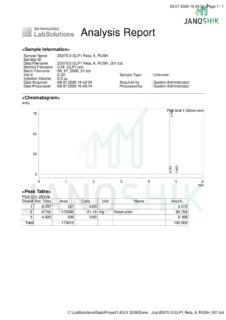
Independent Janoshik reports are available on each product page and on our Lab Testing page.
All ReVICO Labs products are supplied for laboratory research use only. They are not for human or veterinary consumption and are not approved by Health Canada for therapeutic or diagnostic use.